Books
-
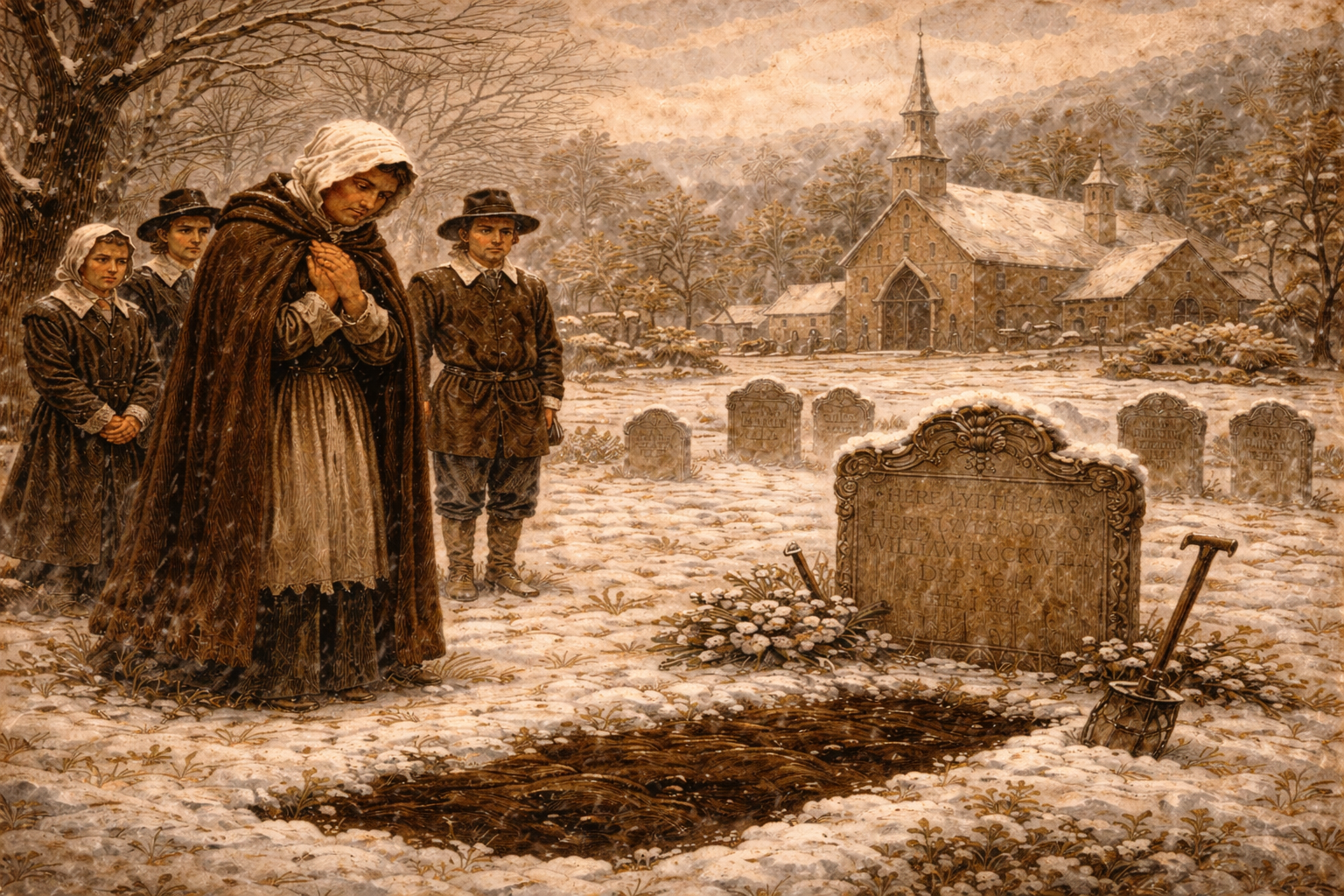
The Death of William Rockwell In 1640 and His Legacy
William Rockwell died in Windsor, Connecticut, in 1640. The book treats his death as the close of the first generation of the Rockwell family in New England, after a decade marked by migration, civic service, and church office. The book records William Rockwell’s death in Windsor in the year 1640, only a few years after
-
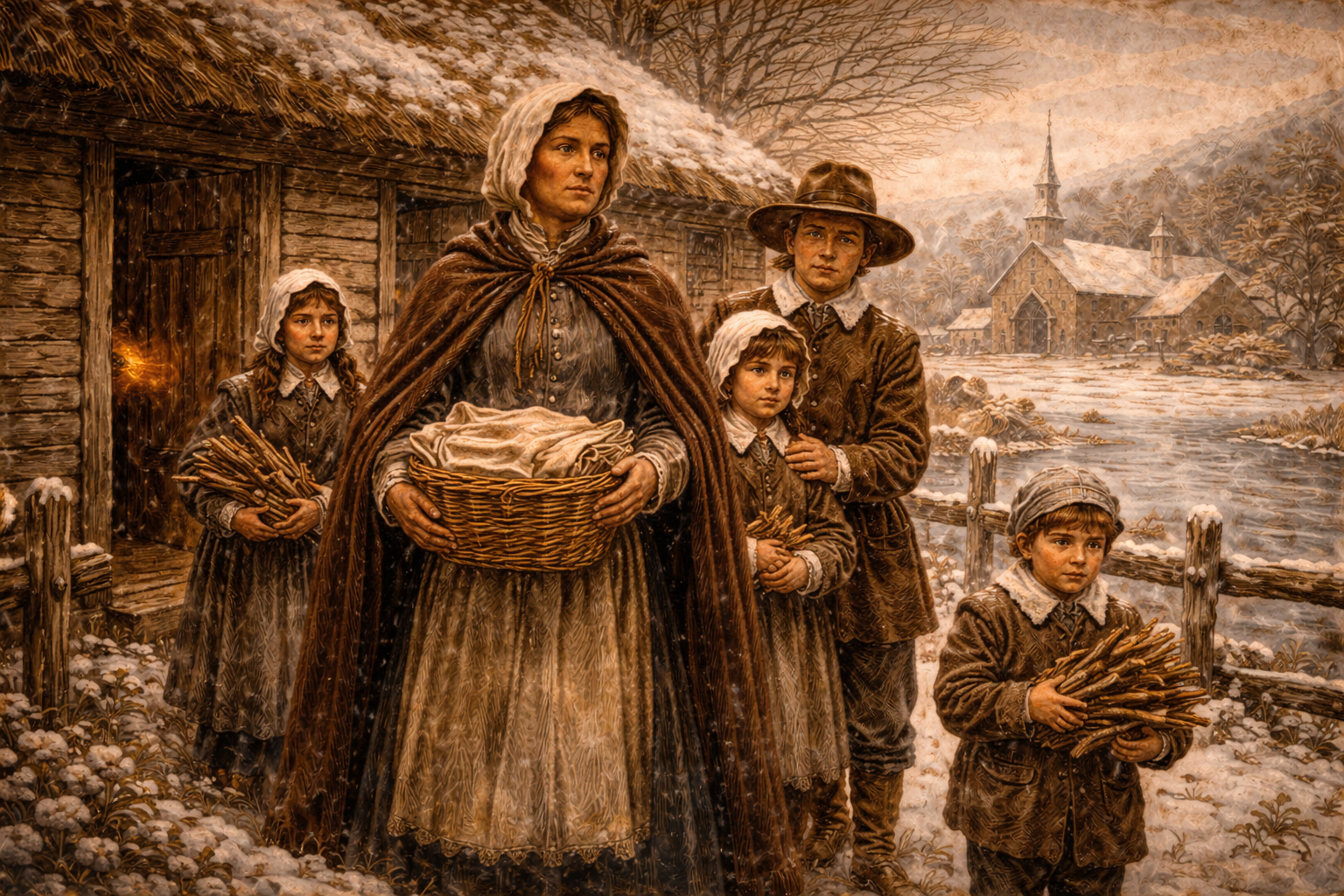
Susan Rockwell: Holding the Family Together After Loss
After the death of her husband in 1640, Susan Capen Rockwell survived as a widow in Connecticut. The book treats her role as essential to the continuity of the Rockwell family through its second generation, though surviving records preserve only limited detail. Susan Capen Rockwell had crossed the Atlantic with her husband and young children
-
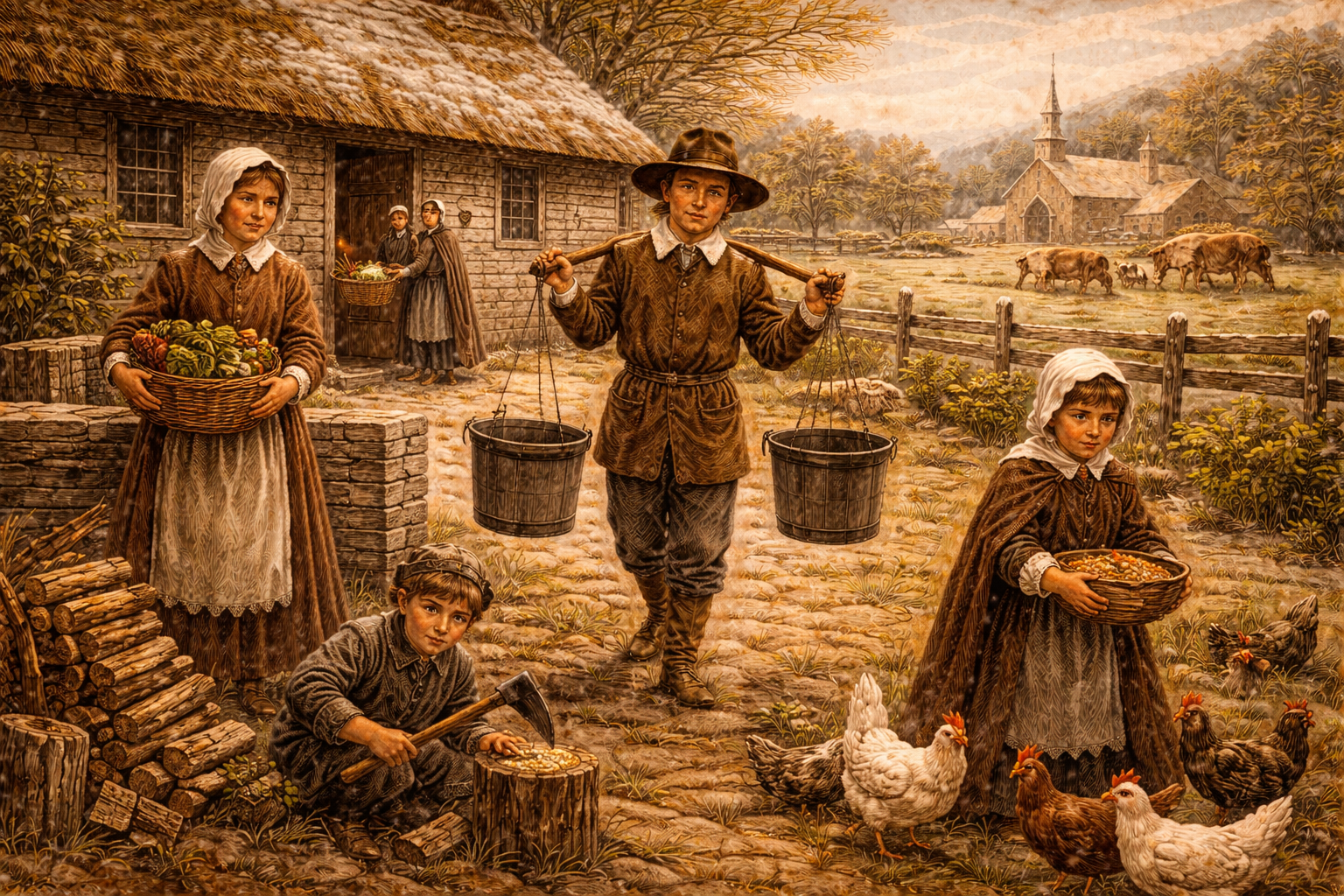
Growing Up Rockwell: Life of New England’s 2nd Gen
William and Susan Capen Rockwell raised their children in the earliest decades of New England settlement. The book presents these children as the foundation of the second generation, through whom the Rockwell family continued in Connecticut and beyond. At the time of the family’s arrival in New England in 1630, William and Susan Rockwell had
-
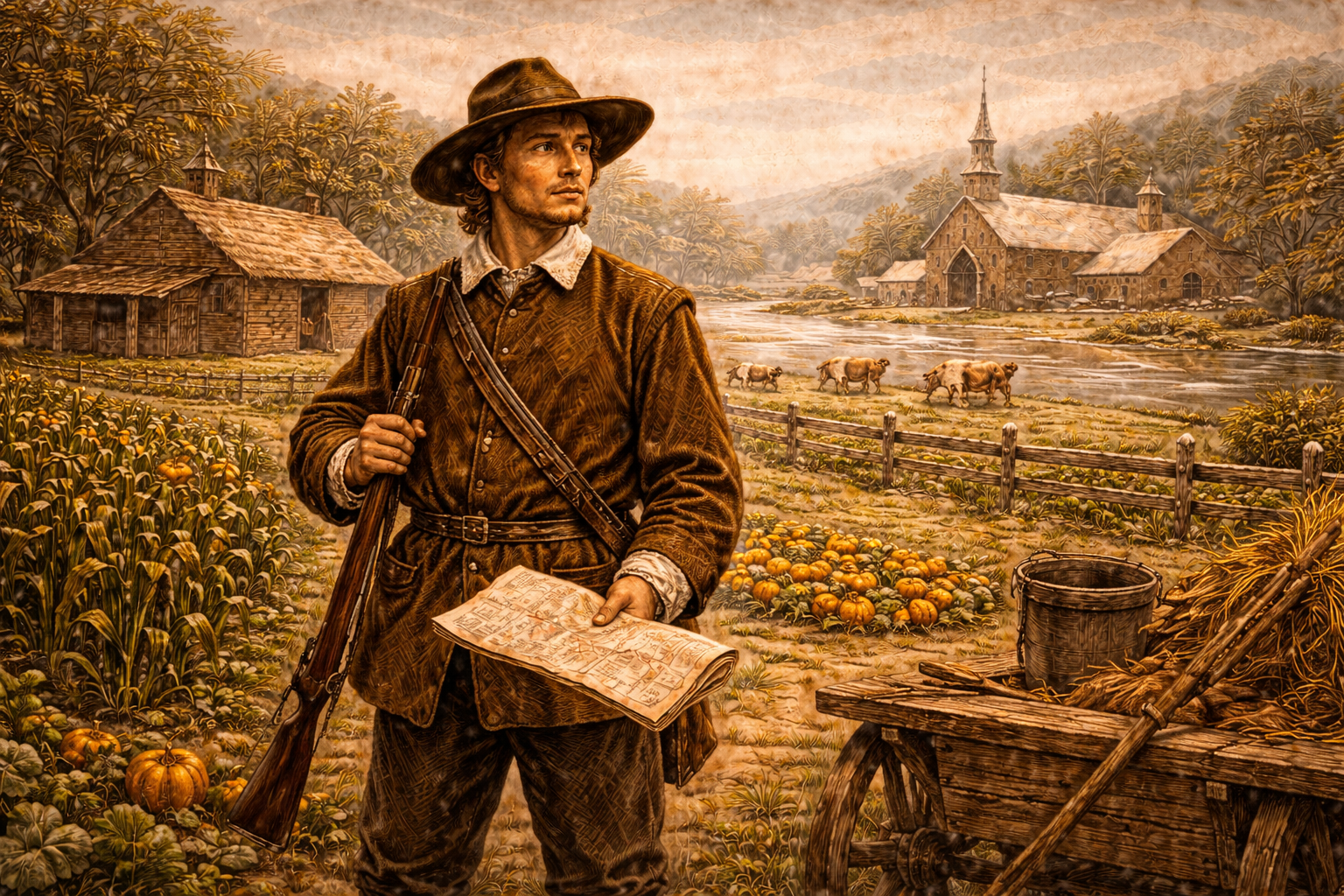
John Rockwell: From New Arrival to Windsor Landholder
John Rockwell, son of William and Susan Capen Rockwell, appears in the records as a landholder and active inhabitant of Windsor. The book presents him as a representative figure of the second generation’s integration into civic life. John Rockwell was still a young child at the time of the family’s arrival in New England. By
-
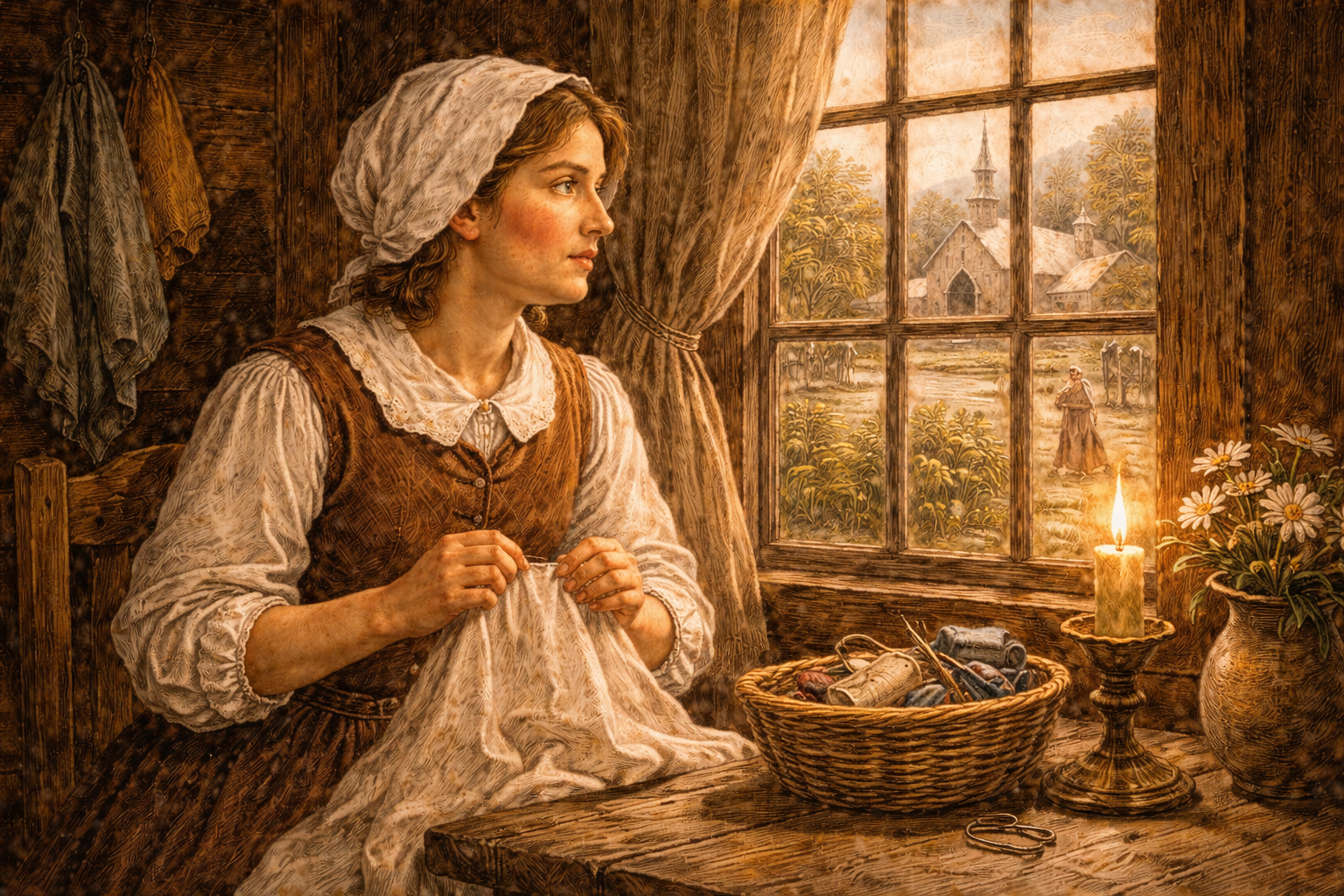
Unseen Threads: Joan Rockwell and Early Colonial Women
Joan Rockwell, the eldest child of William and Susan Capen Rockwell, appears only briefly in surviving records. The book treats her life as representative of many early colonial women whose experiences shaped families and communities but left limited documentary trace. Joan Rockwell crossed the Atlantic as a small child, turning five years old during the
-
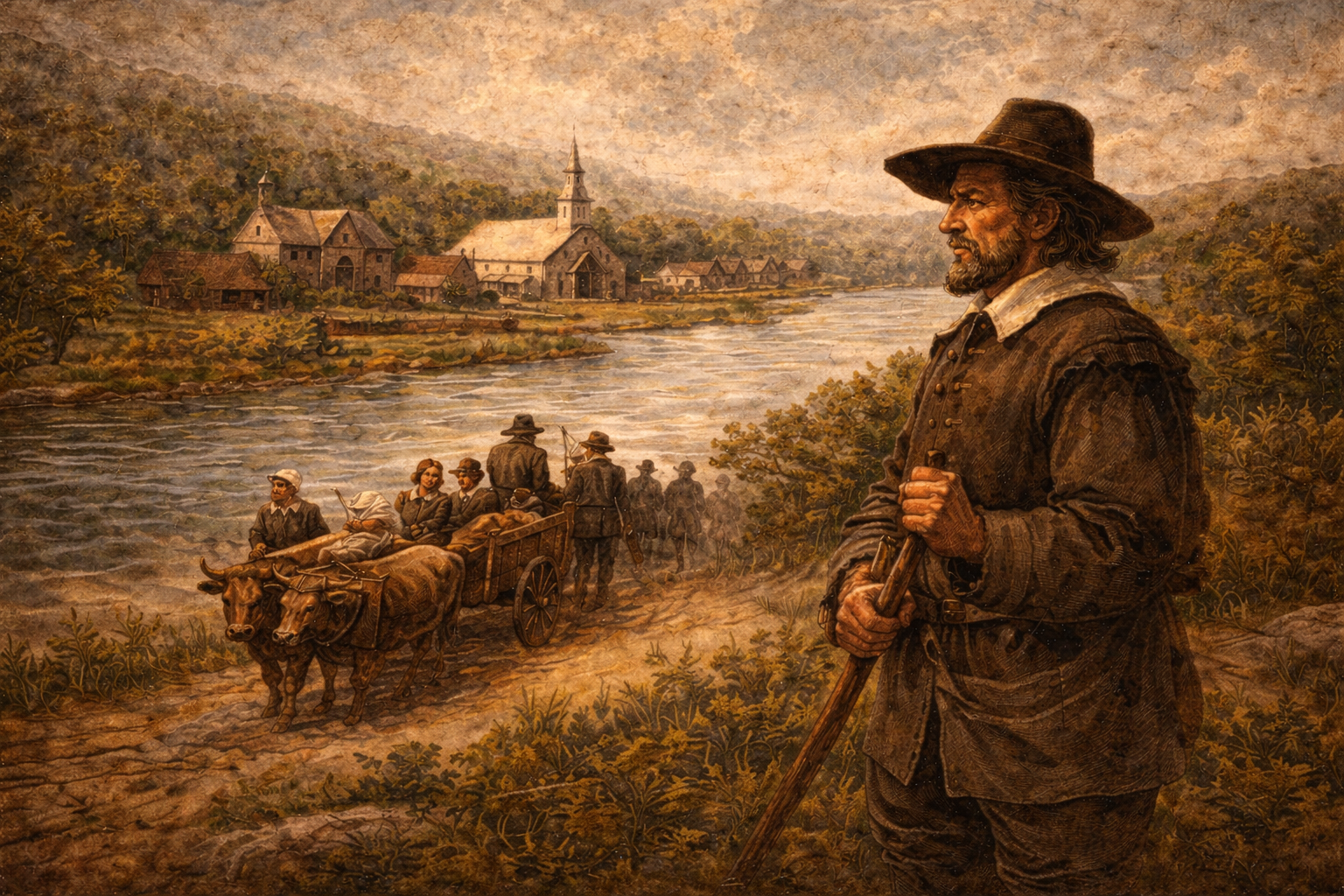
William Rockwell’s Move to Windsor: A New Beginning
After several years in Dorchester, William Rockwell moved to Windsor, Connecticut. The book places this move in the spring of 1637, noting both the land grants associated with his settlement there and the uncertainty caused by missing early records. By the mid-1630s, pressure on land and opportunity beyond Massachusetts Bay drew many Dorchester settlers westward
-
William Rockwell: The Deacon with a Dilemma
William Rockwell is identified as a deacon in the Dorchester, Massachusetts, church, a role described as managing the church’s material provisions and aid to those in need. The book connects that office to later exemptions from bearing arms and notes that gaps in Windsor and early Dorchester records make some details difficult to prove today.
-
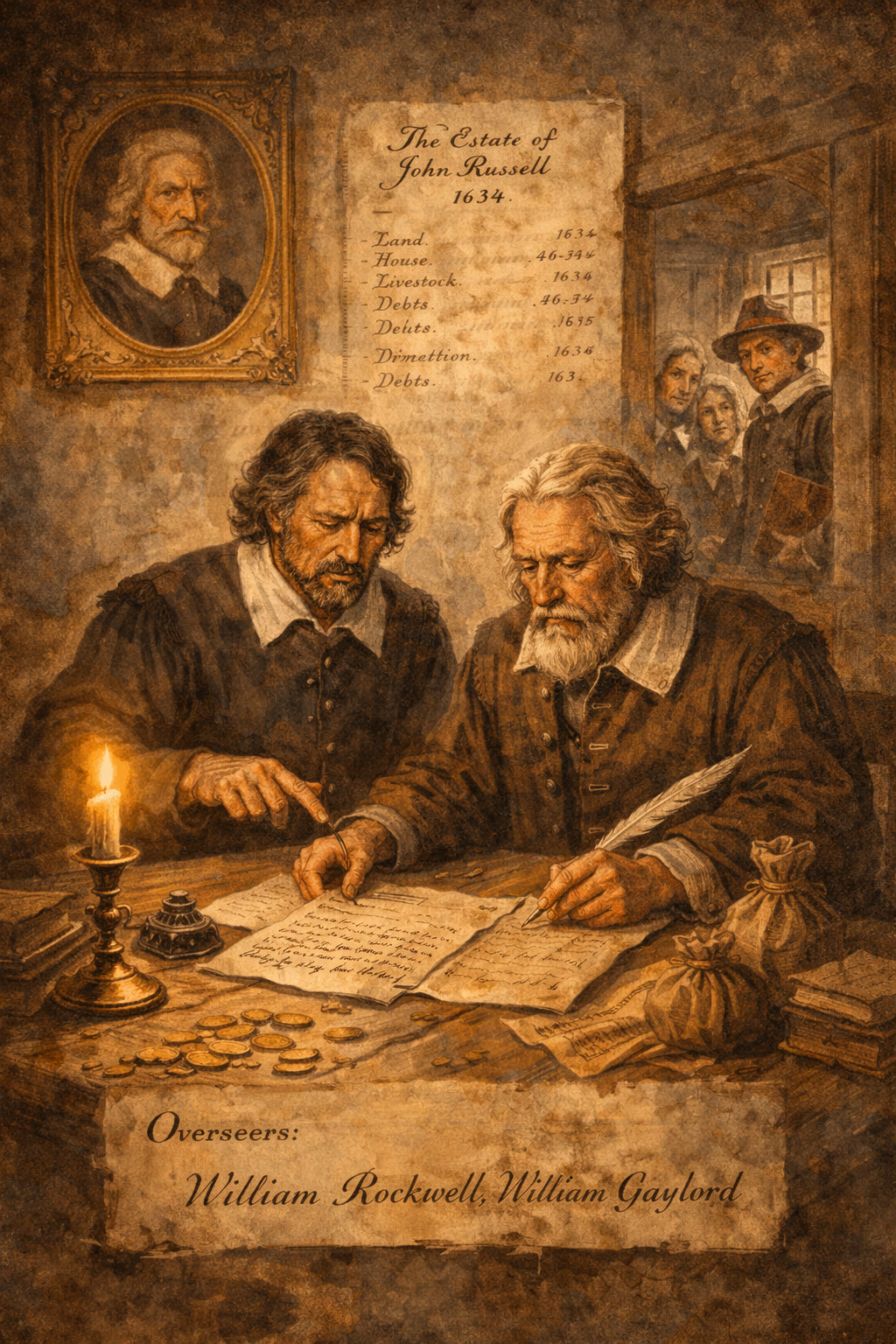
When Estates and Trust Go Hand in Hand in 1634 Dorchester
In 1634, William Rockwell was named as one of the overseers and executors involved in settling the estate of John Russell of Dorchester. The book presents this role as evidence of Rockwell’s standing within the community and the trust placed in him during the colony’s early years. As Dorchester matured from an emergency settlement into
-
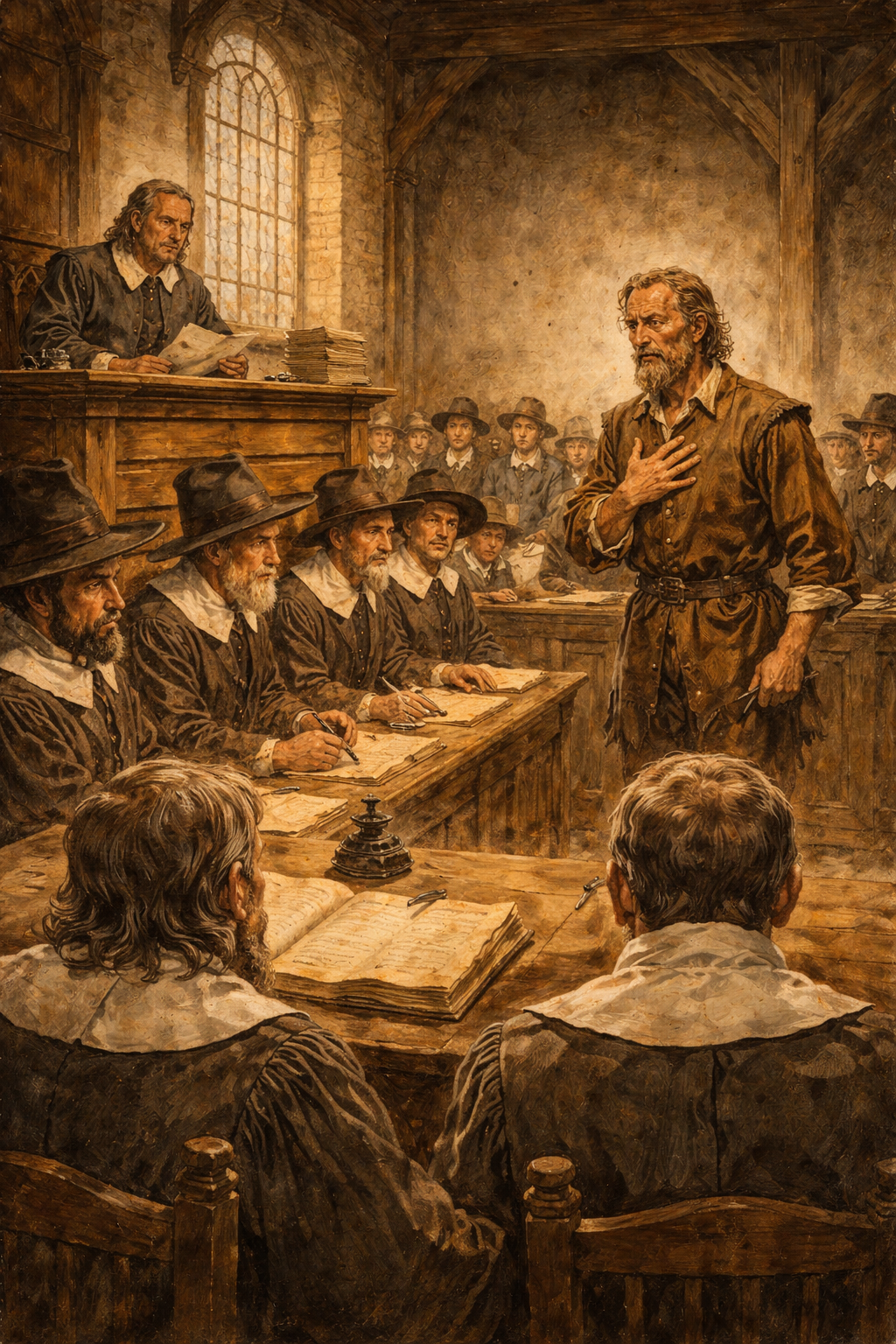
First Manslaughter Trial: Walter Palmer’s 1630 Verdict
In 1630, the Massachusetts Bay Colony convened what the book identifies as its first manslaughter trial. William Rockwell appears as one of twelve jurors in the case involving Walter Palmer and the death of Austen Bratcher, with court dates spanning September 28 through November 9, 1630. By late September 1630, the Massachusetts Bay Colony was
-
Rockwell Family’s Bold Leap to the New World
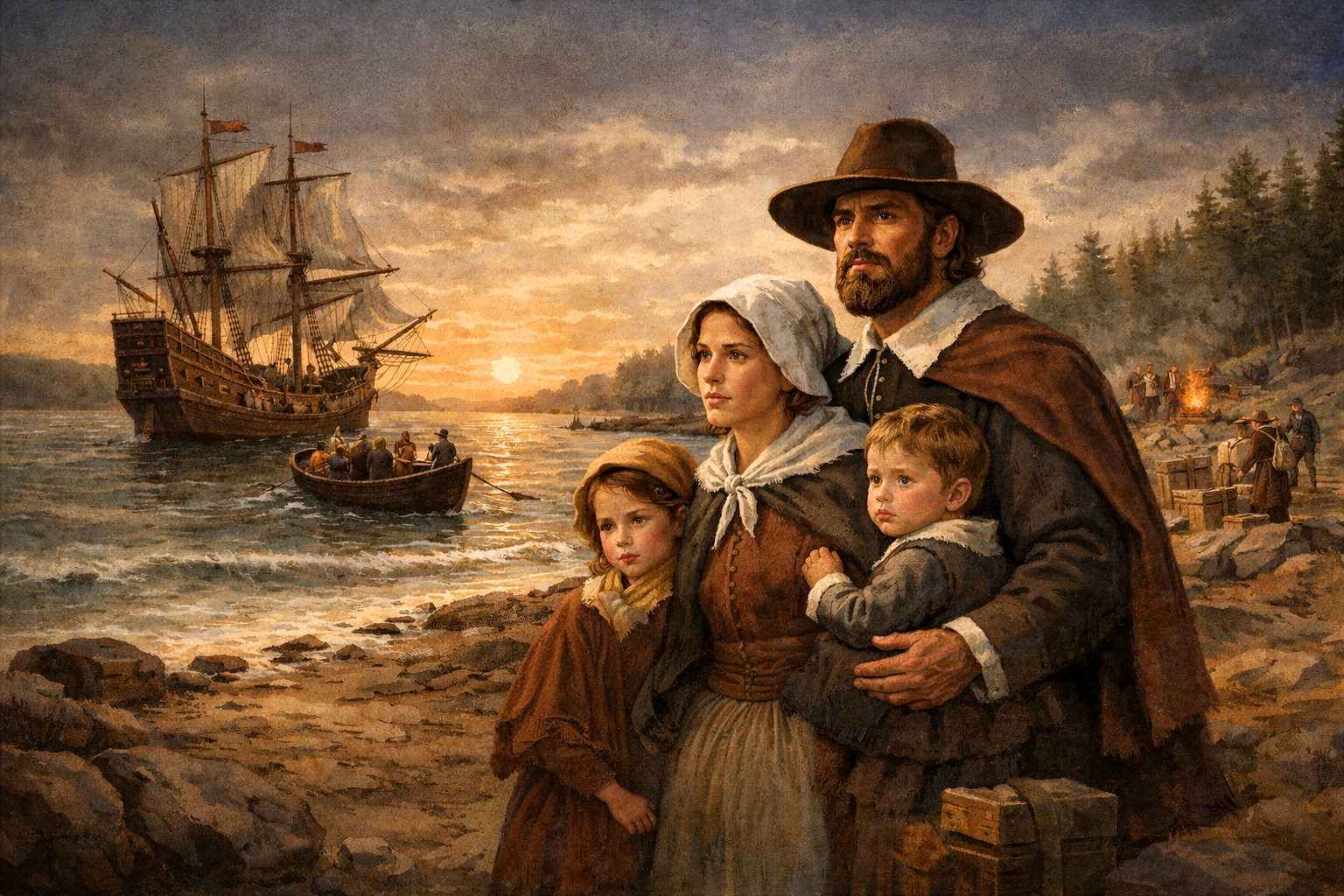
In 1630, William Rockwell, his wife Susan Capen, and their two young children crossed the Atlantic aboard the ship Mary and John as part of the Winthrop emigration. The voyage lasted about seventy days and ended with an unplanned landing at Nantasket Point. Within days, the family and their fellow passengers selected Dorchester as their
-
Tracing Family Roots: A Griffon’s Tale from Roxbury to England
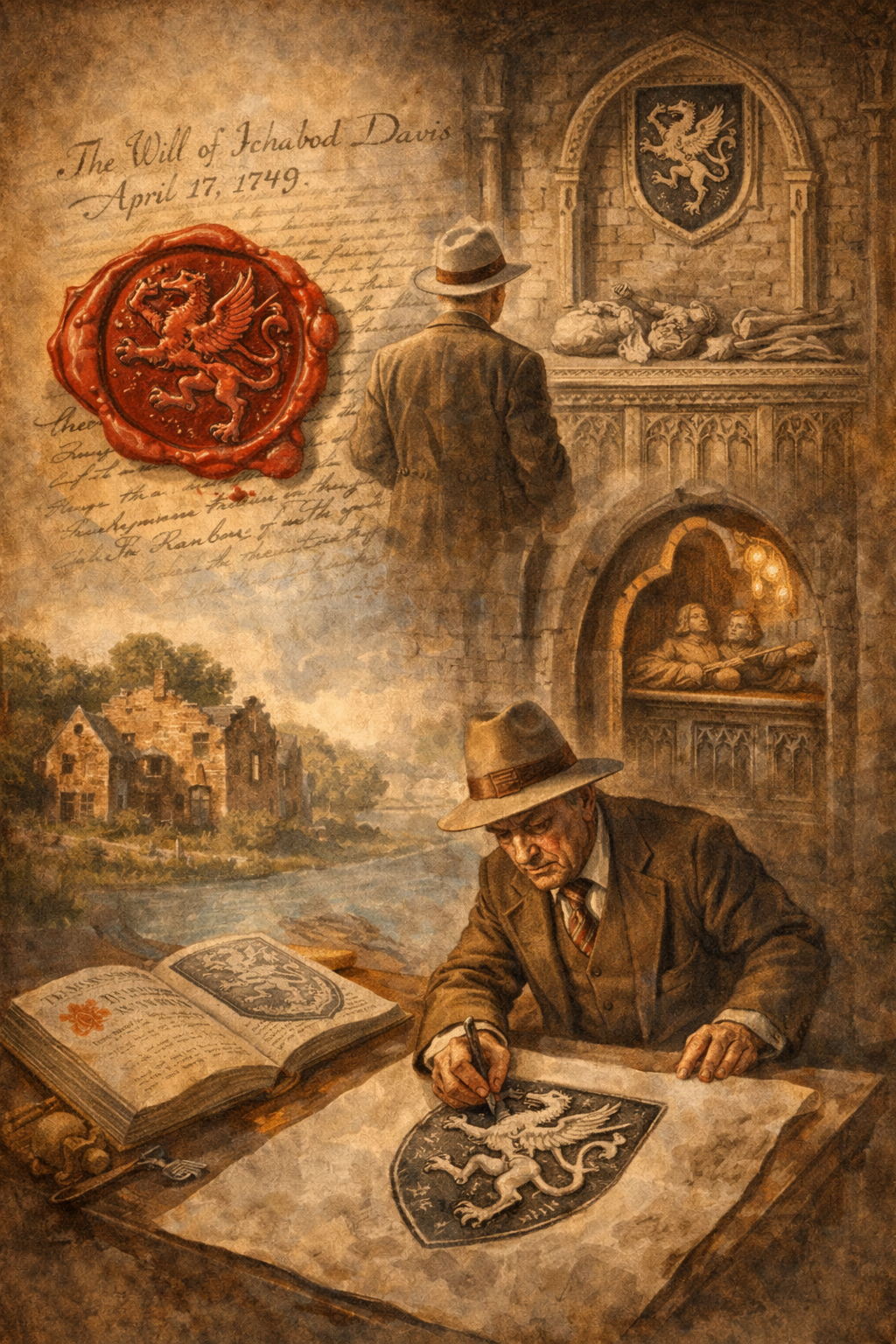
Rockwell, Samuel Forbes. Davis Families of Early Roxbury and Boston. North Andover, Mass., 1932. The “Hunt for the Davis Seal” is a perfect example of how heraldic evidence can bridge the gap between American colonists and their English origins. This specific investigation was undertaken to validate the link between the Davis family of Roxbury, Massachusetts,
-
The Confusion of the Kennebec Fight
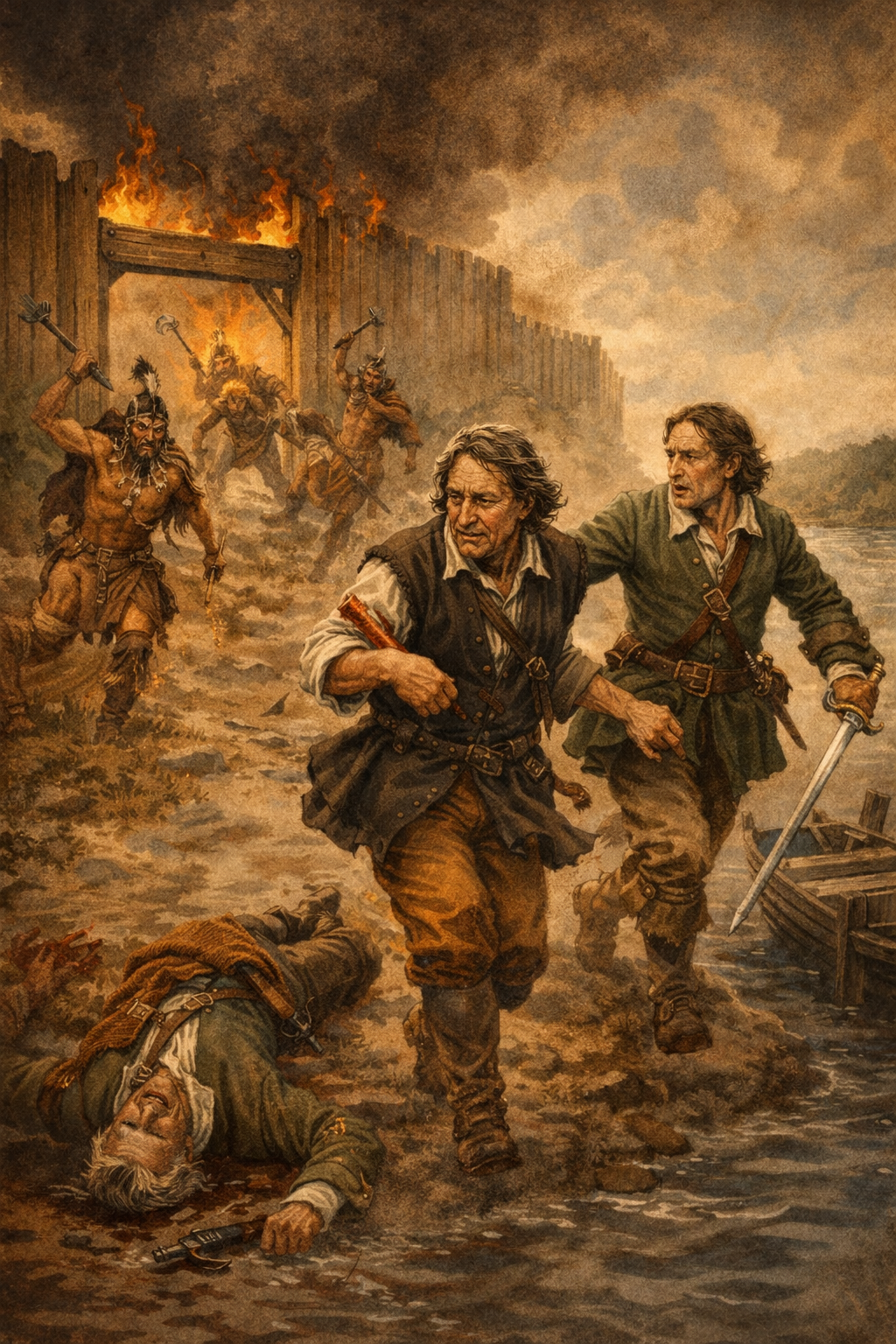
Rockwell, Samuel Forbes. Davis Families of Early Roxbury and Boston. North Andover, Mass., 1932. I have reconstructed the narrative of this historical mix-up, which serves as a prime example of why we must always cross-reference historical anecdotes with vital records. The story involves the dramatic Indian attack on the fort at Arrowsick Island on the
-
The Astonishing Life of Old Goody Davis: 116 and Still Farming
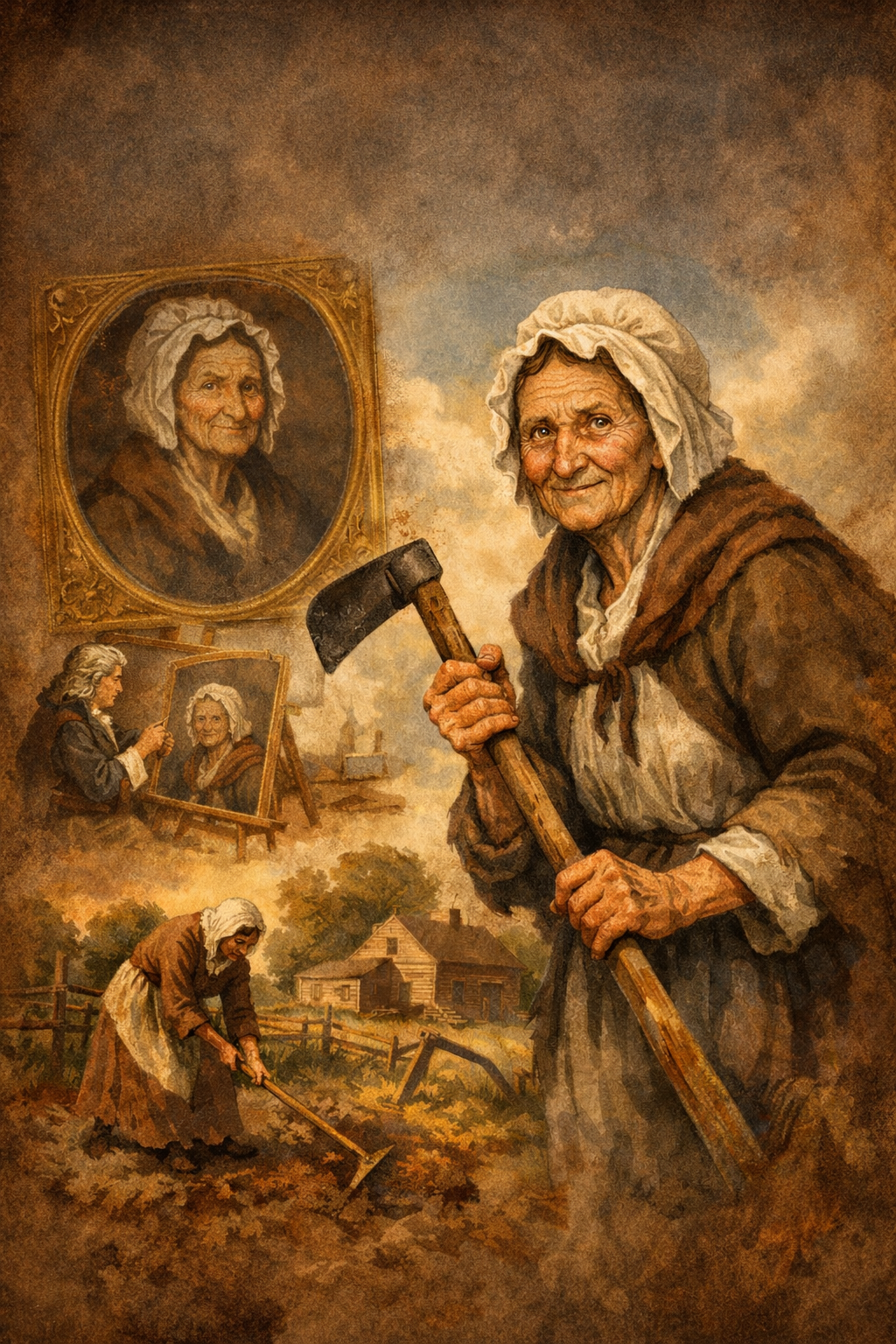
Rockwell, Samuel Forbes. Davis Families of Early Roxbury and Boston. North Andover, Mass., 1932. In my examination of the historical records regarding the Davis families, one of the most fascinating narratives I have encountered is the legend of Mary Davis, better known to the community as “Old Goody Davis.” According to the Hyde Manuscripts and
-
The Petition for Jane Davis
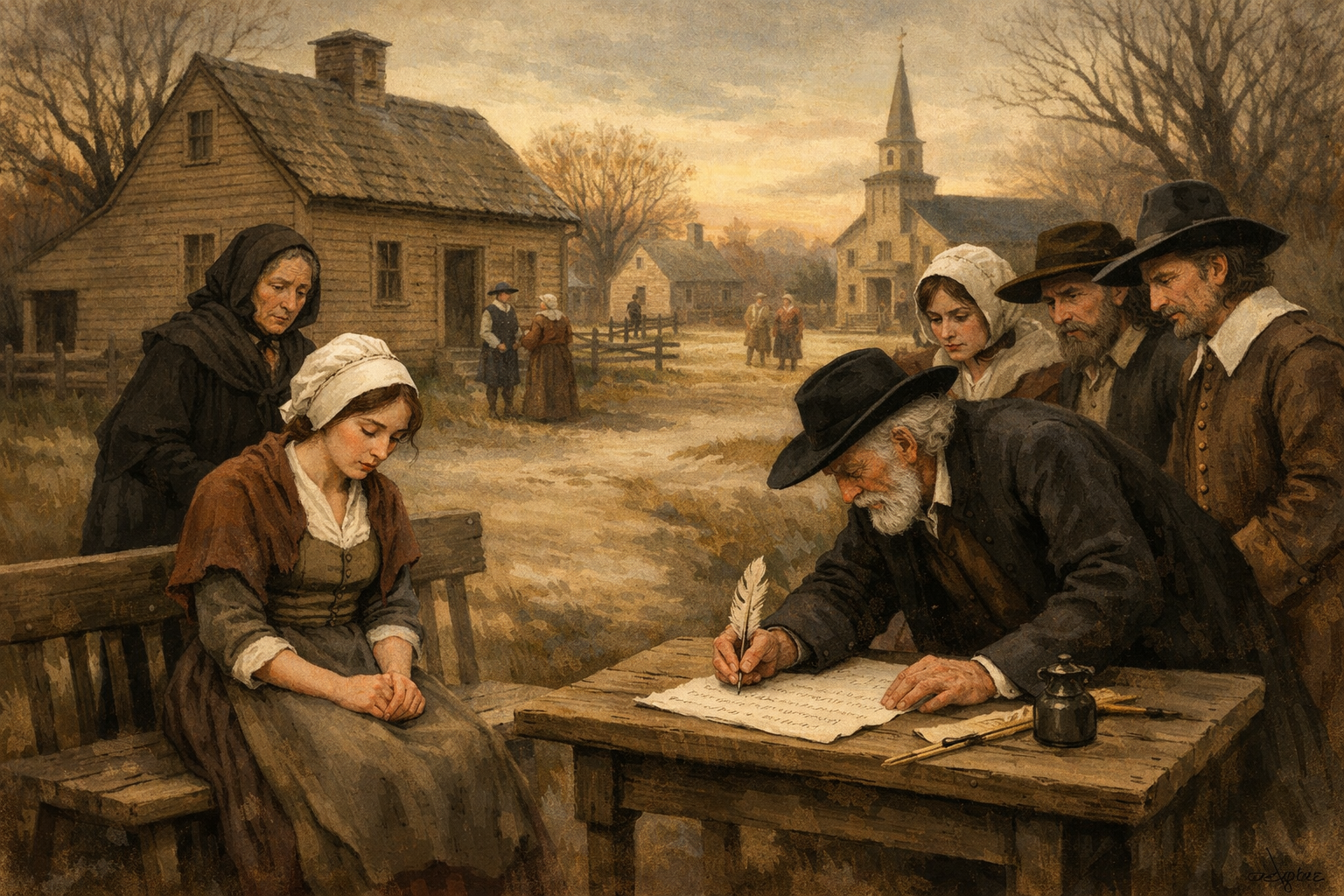
Rockwell, Samuel Forbes. Davis Families of Early Roxbury and Boston. North Andover, Mass., 1932. Based on the genealogical records of early Roxbury and Boston, the story of the petition for Jane Davis offers a poignant glimpse into the social dynamics and legal struggles of the year 1700. The narrative begins with the death of the