Colonial America
-
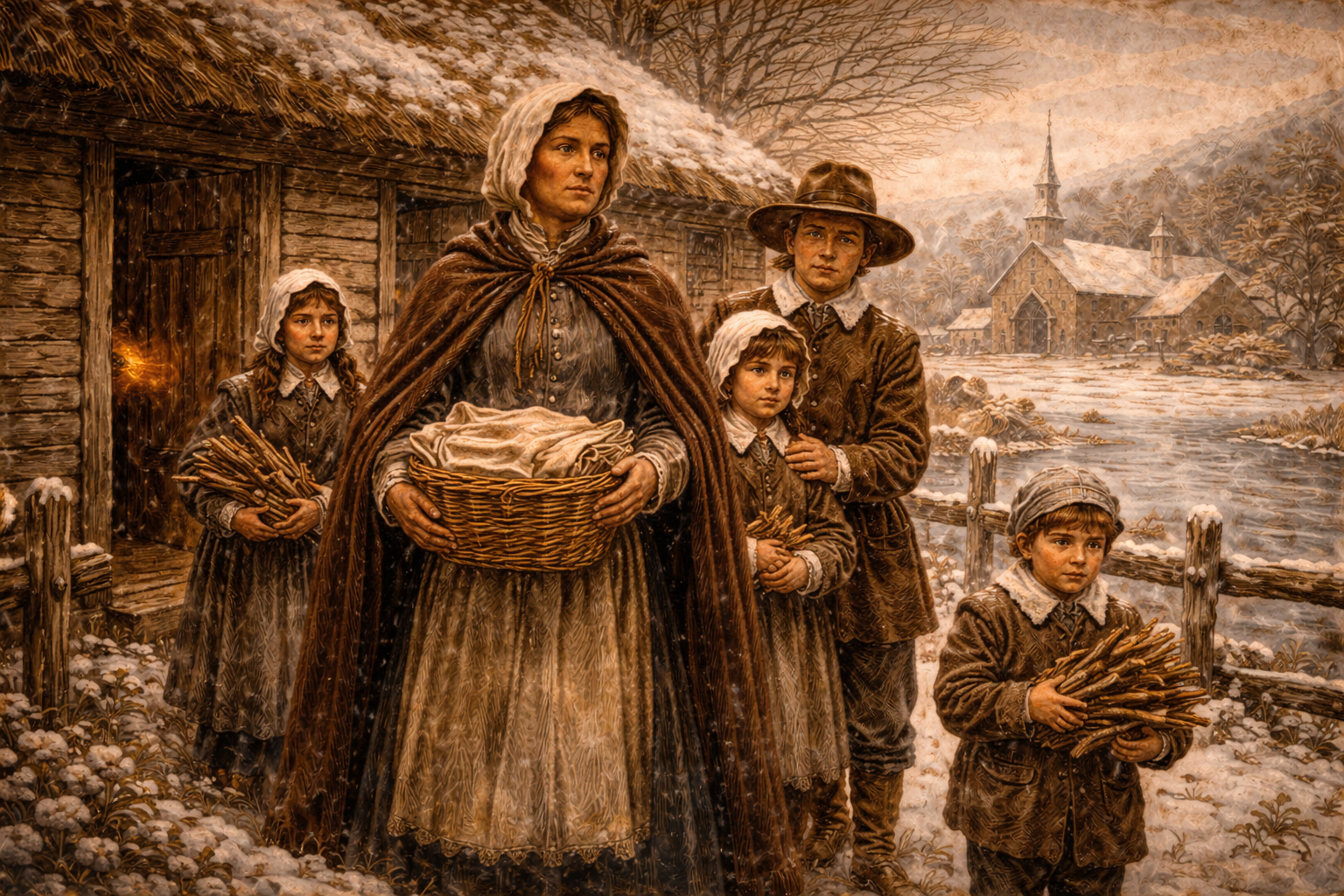
Susan Rockwell: Holding the Family Together After Loss
After the death of her husband in 1640, Susan Capen Rockwell survived as a widow in Connecticut. The book treats her role as essential to the continuity of the Rockwell family through its second generation, though surviving records preserve only limited detail. Susan Capen Rockwell had crossed the Atlantic with her husband and young children
-
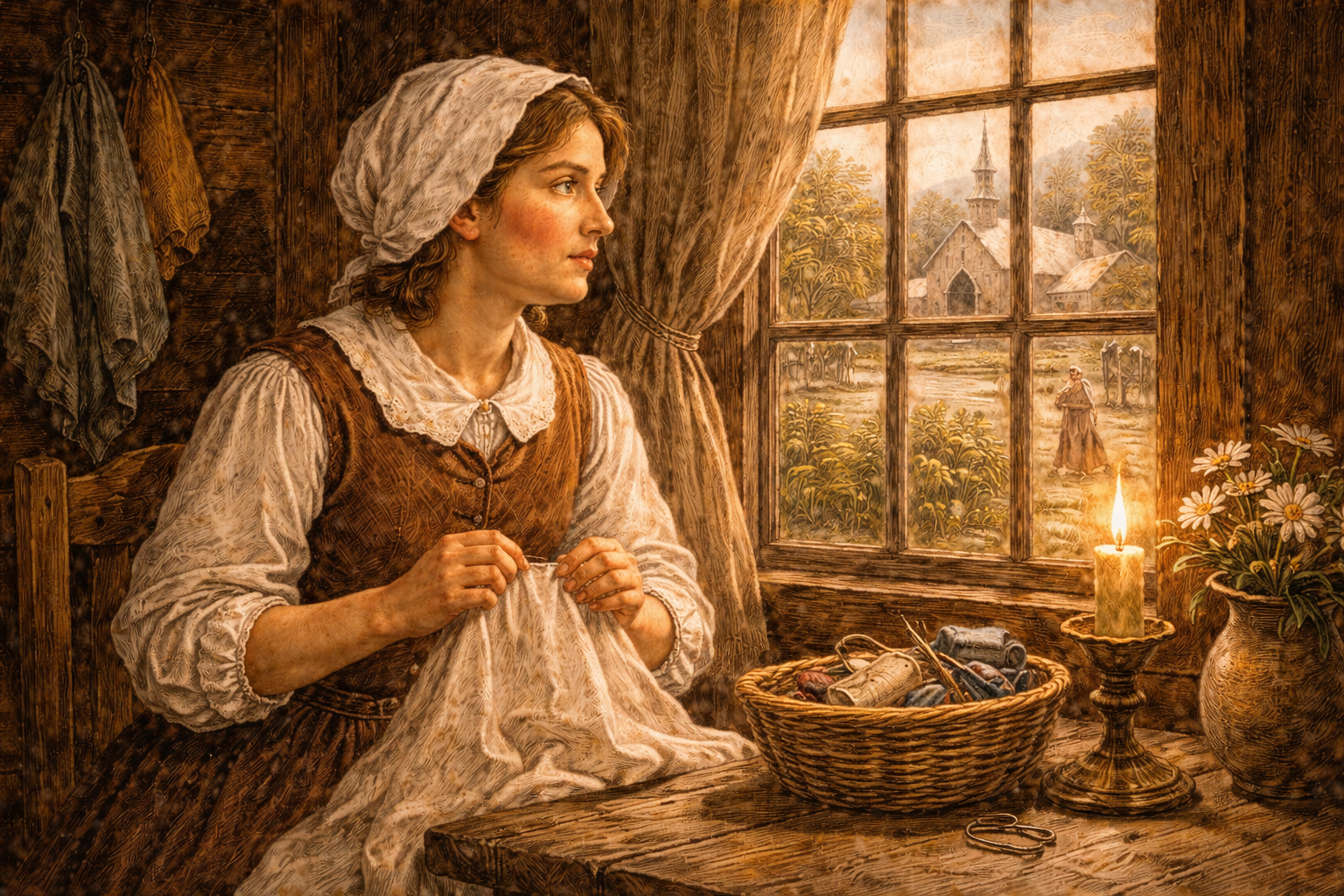
Unseen Threads: Joan Rockwell and Early Colonial Women
Joan Rockwell, the eldest child of William and Susan Capen Rockwell, appears only briefly in surviving records. The book treats her life as representative of many early colonial women whose experiences shaped families and communities but left limited documentary trace. Joan Rockwell crossed the Atlantic as a small child, turning five years old during the
-
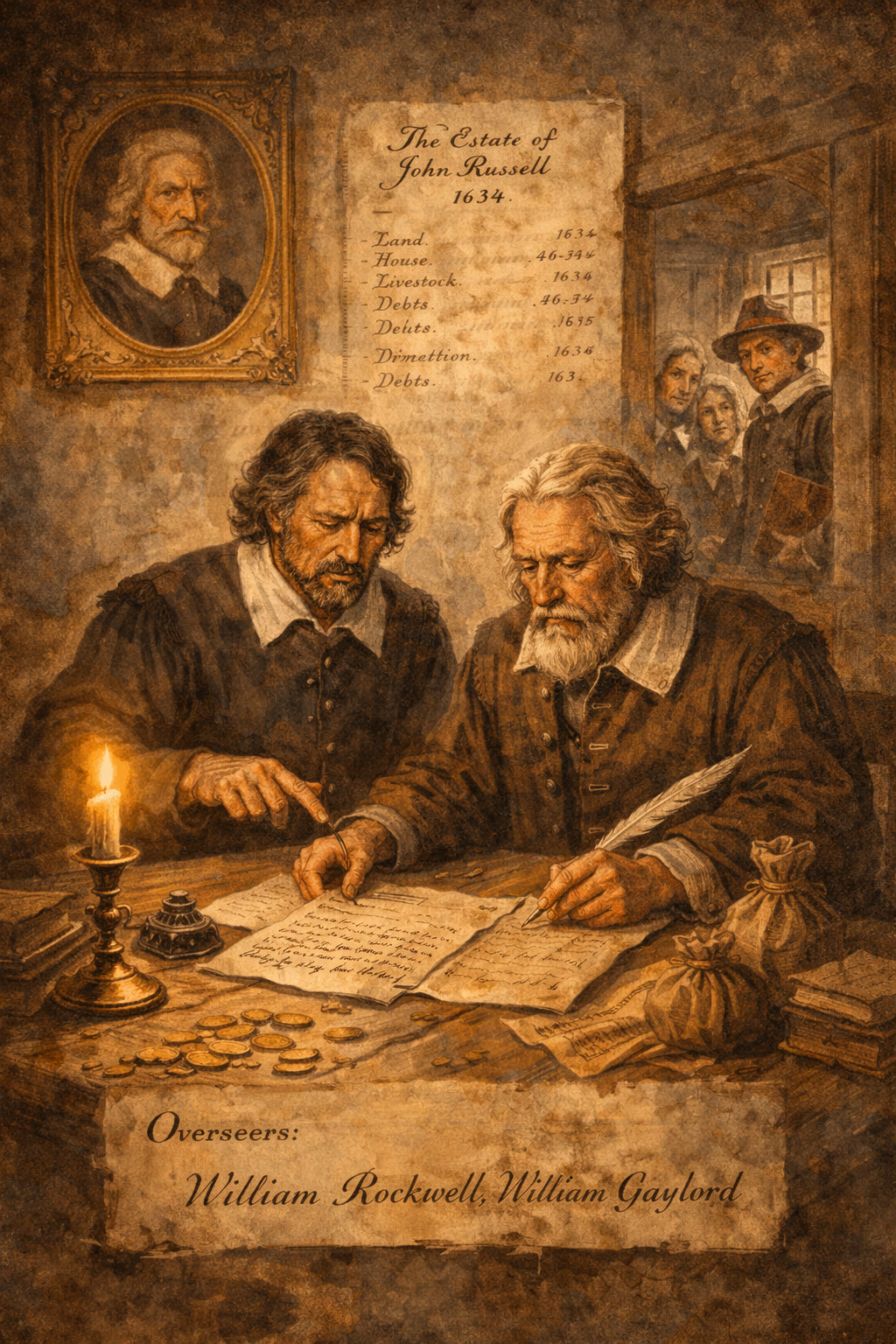
When Estates and Trust Go Hand in Hand in 1634 Dorchester
In 1634, William Rockwell was named as one of the overseers and executors involved in settling the estate of John Russell of Dorchester. The book presents this role as evidence of Rockwell’s standing within the community and the trust placed in him during the colony’s early years. As Dorchester matured from an emergency settlement into
-
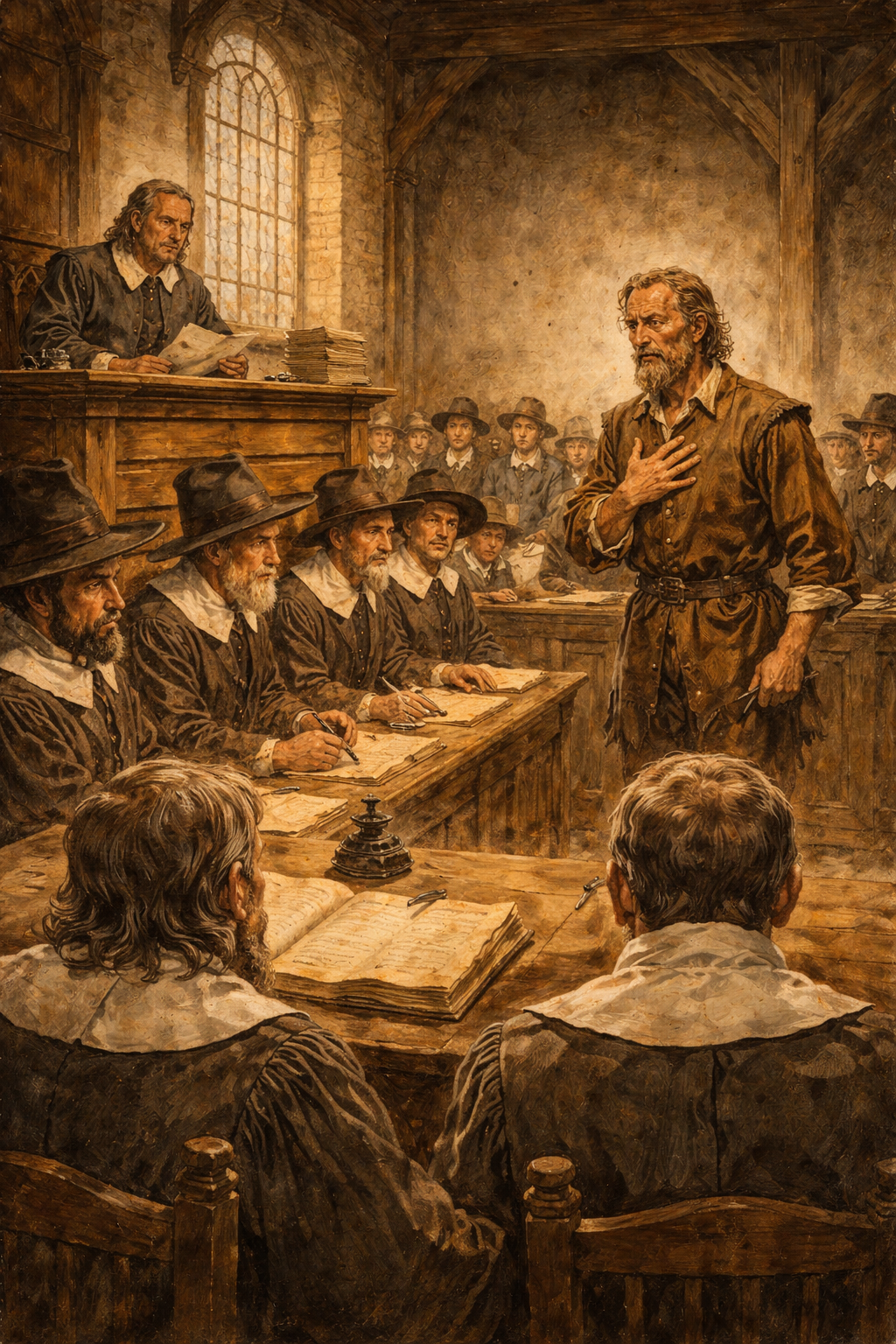
First Manslaughter Trial: Walter Palmer’s 1630 Verdict
In 1630, the Massachusetts Bay Colony convened what the book identifies as its first manslaughter trial. William Rockwell appears as one of twelve jurors in the case involving Walter Palmer and the death of Austen Bratcher, with court dates spanning September 28 through November 9, 1630. By late September 1630, the Massachusetts Bay Colony was
-
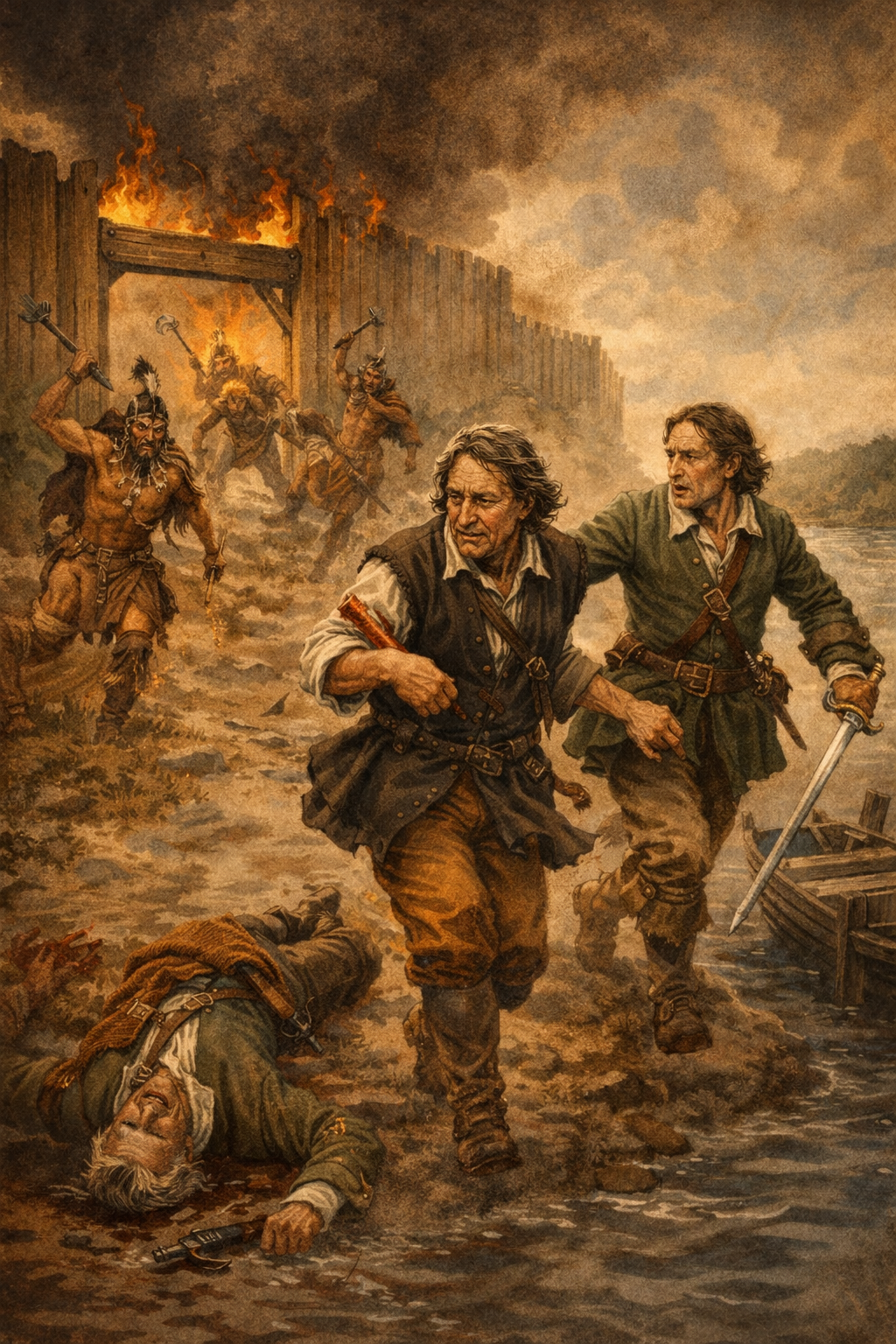
The Confusion of the Kennebec Fight
Rockwell, Samuel Forbes. Davis Families of Early Roxbury and Boston. North Andover, Mass., 1932. I have reconstructed the narrative of this historical mix-up, which serves as a prime example of why we must always cross-reference historical anecdotes with vital records. The story involves the dramatic Indian attack on the fort at Arrowsick Island on the